


The order matters more than the craftsmanship
Water damage repair goes wrong when the sequence is wrong. Find the source. Stop it. Open the assembly. Dry it to a verified moisture content. Only then rebuild. Every step skipped shows up four months later as mold, a cupped floor or a stain bleeding back through fresh paint. We do it in order and we document each stage.
What we repair after a leak
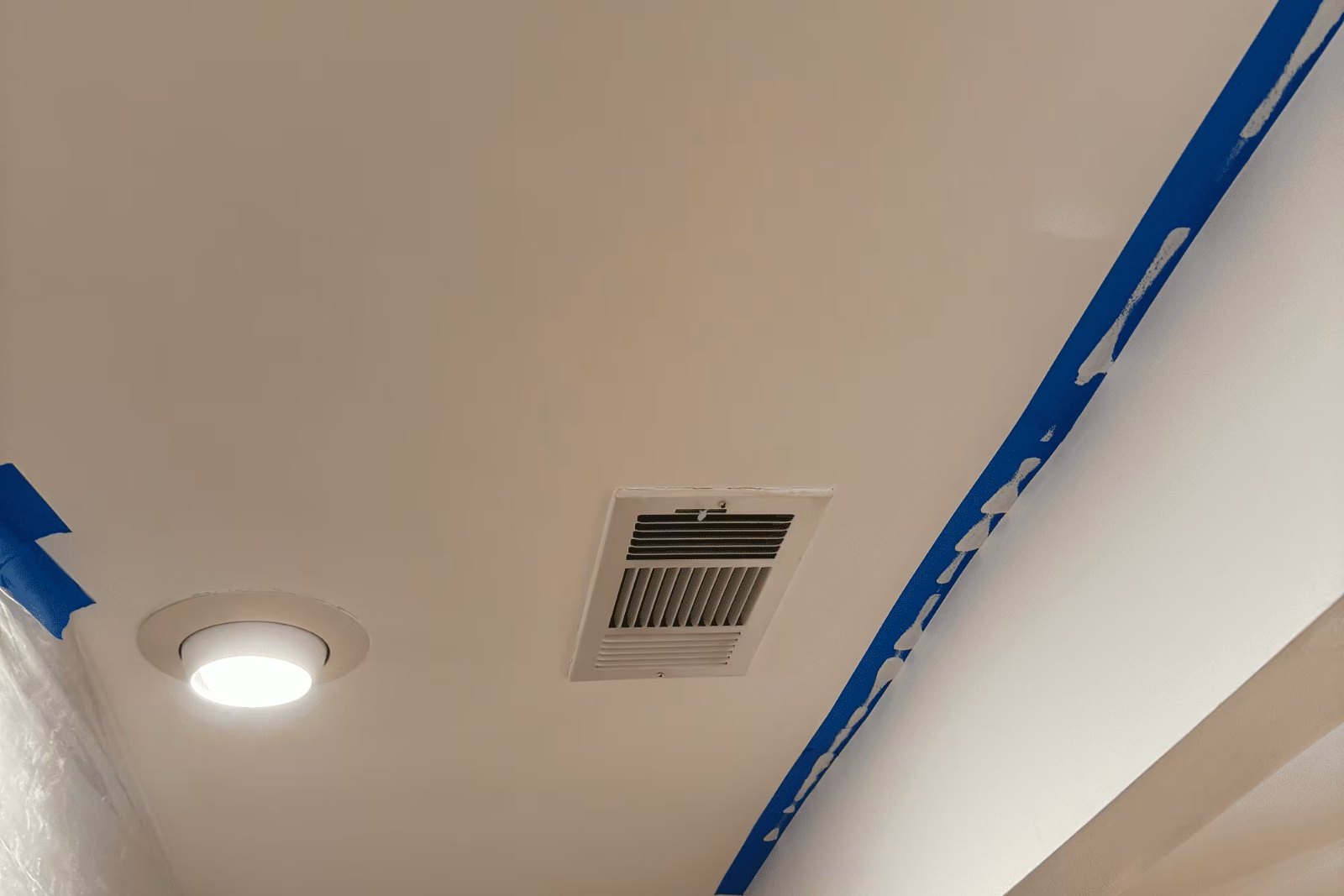
- Ceiling drywall, texture and paint after an upstairs or roof leak
- Wall drywall, insulation and baseboard
- Warped, cupped and delaminated hardwood, laminate and engineered flooring
- Swollen cabinet bases, sink cabinets and toe kicks
- Subfloor replacement and framing repair where the material is compromised
- Tile and grout failure in showers and around tubs
- The source itself - angle stops, supply lines, shower pans, valves, flashings and hose bibs
Where LA leaks actually come from
In our experience across the Valley and the Westside, the top repeat offenders are: braided washing machine supply hoses past their service life, corroded angle stops under sinks, failed shower pan liners in bathrooms remodeled without proper waterproofing, water heaters past ten years, and second-floor condo bathrooms leaking into the unit below. Four of those five are preventable for under a few hundred dollars, and we will point them out while we are there.
Mold - the honest version
Small, localised surface growth on non-porous material we clean and remediate as part of the repair. Anything beyond roughly ten square feet, anything inside a wall cavity, or any situation where an occupant has respiratory symptoms goes to a licensed mold remediation contractor with containment and clearance testing, and we rebuild after clearance. We will not paint over it and we will not quietly enclose it.
Cost
A single-room ceiling and paint repair after a contained leak generally runs $650 to $1,800. Multi-room events with flooring and cabinetry commonly run $4,000 to $25,000, and are usually an insurance claim. We give you a scope in the line-item format adjusters accept.
What is included in this service
- Source identification with moisture meter and thermal inspection
- Photographic and moisture documentation for your insurance file
- Controlled demolition of wet material with containment
- Drying with air movers and dehumidification to verified moisture content
- Antimicrobial treatment on affected framing where appropriate
- Insulation, drywall, tape, texture and paint
- Flooring and subfloor replacement
- Cabinet, trim and baseboard rebuild
- Repair of the original failure point
- Final moisture verification before we close the wall
Frequently asked questions
Will you find where the water is coming from?
Yes. We use moisture meters and thermal imaging before we open anything, and we tell you the source in writing.
Can you just paint over the stain?
Only if the assembly is verified dry and the cause is fixed. Otherwise it comes back and you pay twice.
Do you handle mold?
Small localised areas, yes. Anything significant goes to a licensed remediation contractor first - that is the correct and legal order.
Do you work directly with my insurance?
Yes, including meeting the adjuster on site and providing scopes in the format carriers expect.
Other services our Los Angeles crews handle


